

ZPT will be banned! The anti-dandruff champion—Isoconazole: patented, water-soluble, and of superior quality meeting or exceeding the European Pharmacopoeia standards.
Publish Time:
2025-10-15
Recently, the National Institute for Food and Drug Control (NIFDC) has released draft proposals for the formulation and revision of 18 cosmetic standards, along with accompanying drafting notes. Notably, Annex 9 proposes adding zinc pyrithione (ZPT) to the "List of Prohibited Ingredients in Cosmetics." This move, which aligns with EU standards, aims to further enhance consumer safety—and is also prompting greater attention to an exceptional ingredient in the anti-dandruff segment: hexamidine, known for its combination of high efficacy, gentle action, and superior safety.
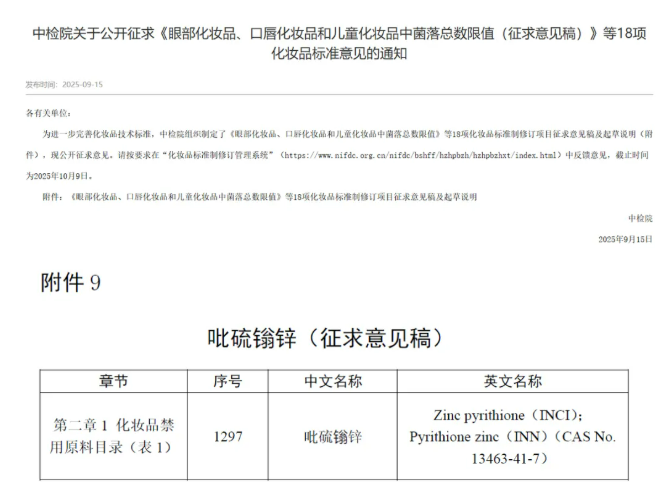
Why was ZPT banned?
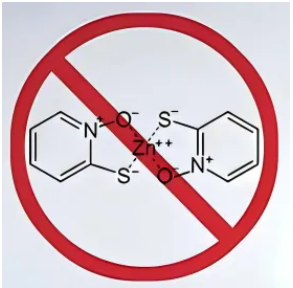
ZPT was once a popular choice for anti-dandruff shampoos due to its ability to inhibit Malassezia fungi. However, as research deepened, concerns about its reproductive toxicity—classified as a Category 1B reproductive toxicant—and environmental risks—such as acute toxicity to marine polychaetes even at sub-lethal concentrations—began to surface. As early as 2022, the European Union had already banned its use. This recent adjustment in China regarding ZPT essentially reflects an ongoing quest for "safer and more effective dandruff-fighting solutions," and the numerous advantages of hexamidine happen to align perfectly with this very need.
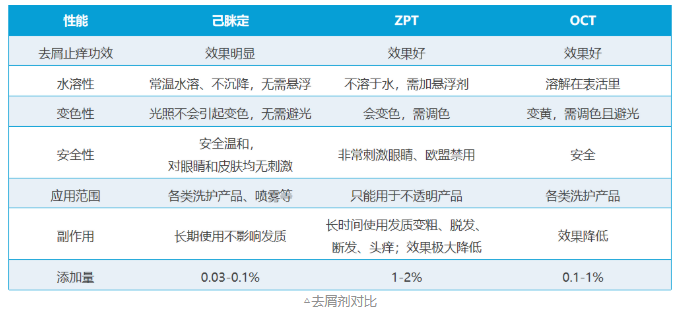
Compared to ZPT and OCT, guanidine highlights multiple advantages.
Compared to ZPT and another commonly used anti-dandruff ingredient, OCT (piroctone olamine), hexamidine demonstrates significant advantages across key dimensions such as efficacy, application, safety, and mildness, offering a superior solution for dandruff relief.
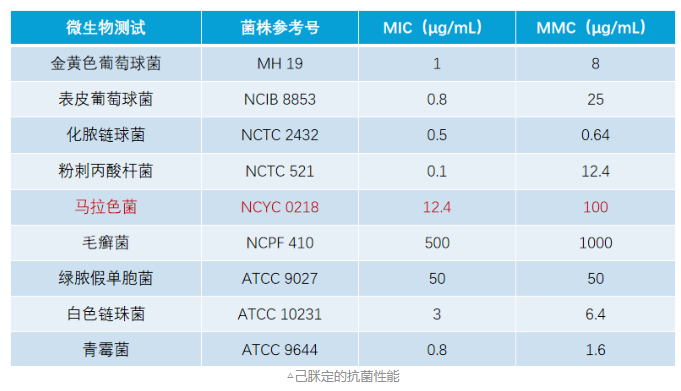
Targeting the culprit behind dandruff, Malassezia—Guanidine Its minimum inhibitory concentration (MIC) is 12.5 μg/mL, and the minimum bactericidal concentration (MMC) is 100 μg/mL. Notably, due to its cationic nature and the resulting adsorption onto hair, it effectively enhances and prolongs its anti-dandruff action—a feature that other anti-dandruff agents lack. *
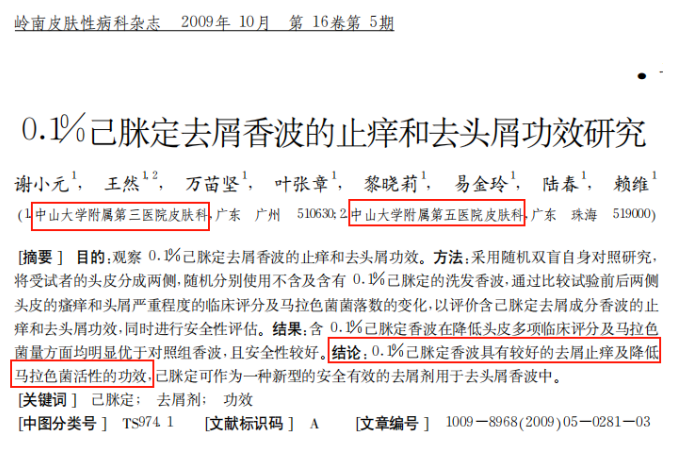
Clinical studies in dermatology have shown that a shampoo containing 0.1% hexamidine significantly reduced Malassezia on scalp areas per unit surface compared to the control group. Moreover, as the density of Malassezia decreased, the severity of dandruff also showed marked improvement. *
In addition to removing dander, guanidine also offers multiple advantages. *:
① Convenient and easy to use: water-soluble, non-settling, and no suspension;
② Does not cause discoloration;
③ Extremely safe and gentle, even non-irritating to the eyes, and can also remain on the skin and scalp;
④ Wider application scope: In addition to traditional anti-dandruff shampoos, it can also be used in transparent shampoos, hair care products, and spray formulations, among others;
⑤ Does not affect the reduction or change in the shampoo's texture, and long-term use will not impact hair quality.
Additionally, the Cosmetic Ingredient Review (CIR) panel in the United States has concluded that use at concentrations of 0.10% or lower is safe.
Patented technology, water-soluble and transparent—quality exceeds the European Pharmacopoeia standards.
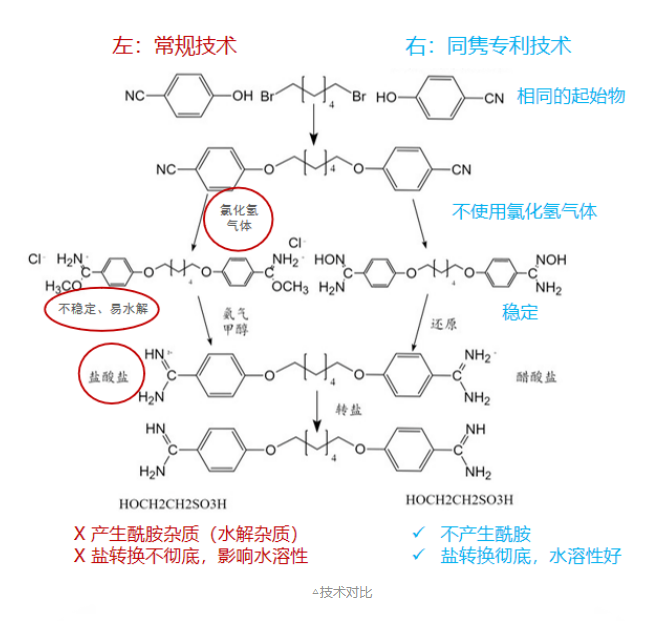
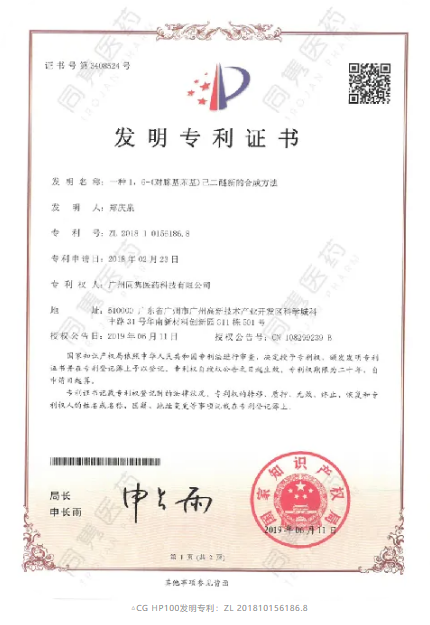
The Congen HP100 (INCI: Hexamidine Diisethionate) utilizes patented synthesis technology. Compared to conventional products, it avoids the use of hydrogen chloride gas during production, thereby preventing the formation of amide hydrolysis impurities. Additionally, the salt conversion process is more thorough, enabling it to achieve water solubility at room temperature for the first time—while also featuring fewer raw material impurities and superior quality that surpasses the European Pharmacopoeia standards.
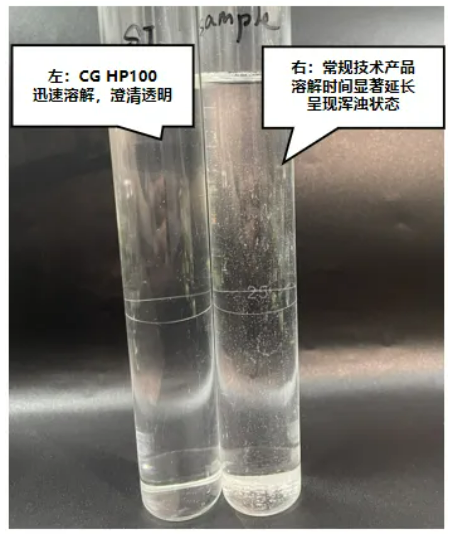
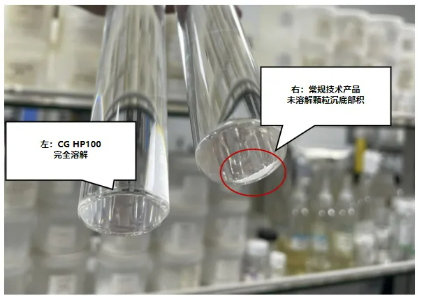
In the comparative experiment, under identical conditions, Tongjun Jimidine dissolved rapidly, resulting in a clear, transparent solution with no sediment at the bottom; in contrast, conventional technology products exhibited a relatively slower dissolution rate. This high water solubility makes it ideal for use in products such as transparent shampoos, anti-dandruff serums, and sprays.
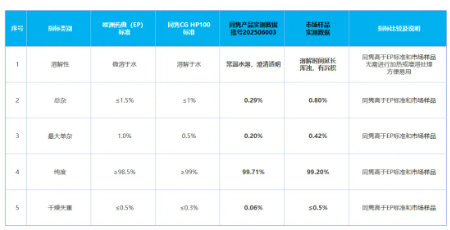
Measured data shows that, CG HP100's multiple quality indicators exceed those of the European Pharmacopoeia and market samples:
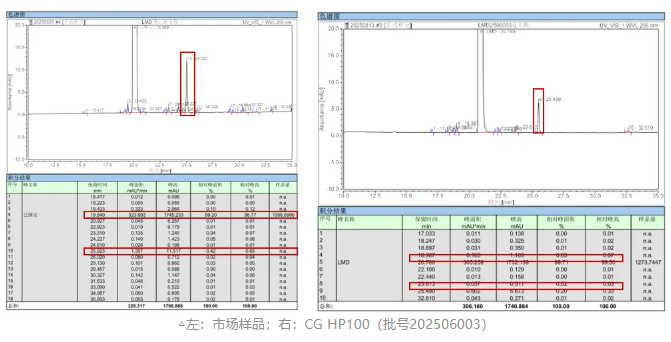
As shown in the chromatogram, the market sample Purity: 99.20%; Maximum single impurity: 0.42%.
CG HP100 Purity For 99.71% maximum single impurity: 0.20.
No Beyond just eliminating dandruff, it can also clear up acne and combat underarm odor...
Leveraging its core strengths, CG HP100 guanidine's applications have already expanded across multiple personal care product categories: Beyond anti-dandruff treatments, it excels in combating underarm odor (by inhibiting Staphylococcus epidermidis and Corynebacterium species), addressing acne-prone skin (by suppressing Propionibacterium acnes), as well as performing exceptionally well in shaving products and eyelash nourishing serums. * Providing robust support for brands to pursue multi-track strategies.
*Su Qiang, Guo Jianwei, Zheng Shenghua. Characteristics and Applications of a Novel Biocide—Hexamidine Diethyleneglycol Sulfate[J]. Daily Chemical Products Science, 2011, 34(08):35-37. DOI: 10.13222/j.cnki.dc.2011.08.007.
#Final Report on the Safety Assessment of Hexamidine and Hexamidine Diisethionate. International Journal of Toxicology 26 (Suppl 3): 79–88, 2007